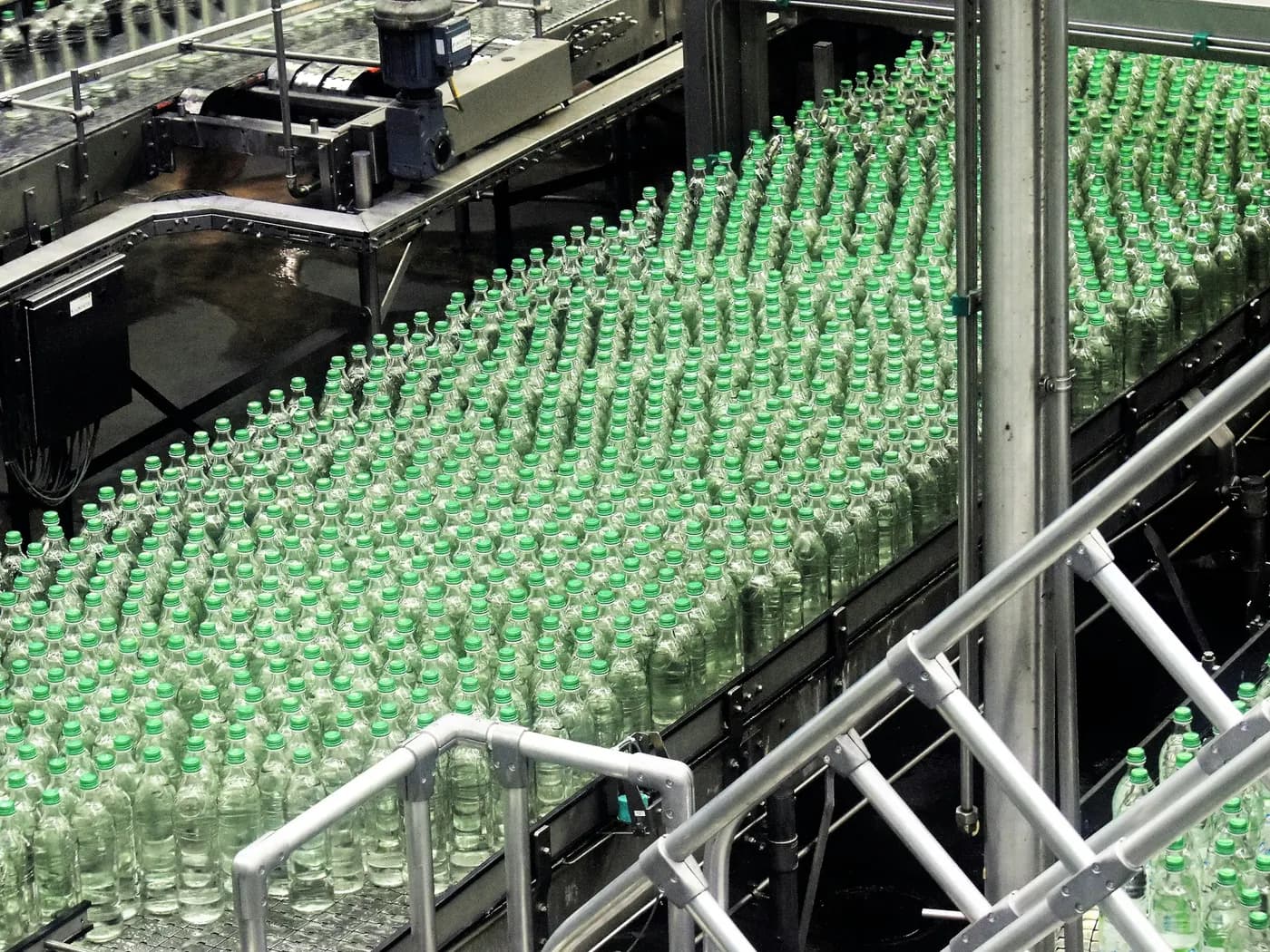
Mid-size alcoholic drink and ready-to-drink coffee bottler in California
Plant IDCPM-CA-PSXXCalifornia. Mid-size plant
Makes alcoholic beverages, ready-to-drink tea and coffee and kombucha and fermented drinks. Runs brewing, fermentation, canning and bottling, packing into aluminum cans and kegs.
An alcoholic drink, ready-to-drink coffee or kombucha brand.
Ready-to-drink coffee, alcoholic drink or kombucha products packed in aluminum cans.
Products made by brewing, fermentation or canning.
Probably not a fit for
A brand that needs a GFSI-certified plant, such as SQF or BRCGS, to sell to a large retailer. None is listed.
Products that need HPP or aseptic processing. Neither is listed.
A founder who still needs a home recipe turned into a production formula. Formulation help is not listed.
Products produced
The types of product this plant lists. Each line shows what the type covers, so ask us to confirm your exact product.
Alcoholic beveragesBeer, wine, spirits, canned cocktails, hard seltzer
RTD tea and coffeeBottled iced tea, cold brew, canned coffee
Kombucha and fermented drinksKombucha, water kefir, other fermented drinks
What this plant offers
Processes
Brewing, fermentation, canning, bottling
Packaging
Aluminum cans, kegs
Minimum order
Not listed
Batch size
Smallest batch 20 barrels (about 6,600 twelve-ounce bottles), largest 85 barrels (about 28,000). A production run can be several batches.
Plant size
Mid-size plant. Mid-size means 51 to 200 staff, 40,000 to 149,999 sq ft, or 2 to 3 plants, judged from the staff, floor space or number of plants the company publishes. The largest figure decides, and exact figures are not shown. This describes the plant, not your order.
Certifications
None listed.
Takes new brands
Not listed
Services
An in-house lab, kitting and assembly
If something is not listed, the plant's published information does not mention it. Ask us and we will check with the plant.
Ingredients and packaging
Turnkey means the plant buys the ingredients and packaging for you, and tolling means you buy them and supply them to the plant.
Not listed. Ask us and we will check with the plant.
Equipment listed
Pasteurizers
Liquid fillers
Canning lines
Shown as types of equipment, not makes or models.
Before you request an introduction
Plants ask about each of these before they quote. The links explain how to get each one ready.
Recipe. Your recipe is manufacturing-ready: a formula by weight, ingredients you can buy in bulk, and a test at a larger batch size.