Skip to content

Small-batch pickle and sauce kitchen in Massachusetts

Plant IDCPM-MA-RRW8Massachusetts. Small plant
Takes startups, emerging brands and pilot runs

Makes pickled and fermented vegetables and sauces and marinades. Runs hot fill, kettle cooking, blast freezing and pouch filling, packing into flexible bags. Holds GMP and HACCP. Offers pilot and small runs, formulation, recipe scale-up and private label products. Takes first-time brands.

Request an introduction

Good fit for

  • An early-stage pickle or sauce brand.
  • A founder who still needs help turning a home recipe into a production formula. Formulation and recipe scale-up are offered.
  • A brand that wants storage after the run. Warehousing and cold storage are offered.
  • A founder who wants to supply their own ingredients and packaging. Tolling is offered.

Probably not a fit for

  • A brand that needs a GFSI-certified plant, such as SQF or BRCGS, to sell to a large retailer. None is listed.
  • Brands that need very large runs fast. This is a small plant, and its largest listed batch is 100 gallons (about 1,100 twelve-ounce jars), so a big order takes many batches.
  • Products that need HPP, aseptic or retort processing. None of these is listed.

Products produced

The types of product this plant lists. Each line shows what the type covers, so ask us to confirm your exact product.

  • Pickled and fermented vegetablesPickles, kimchi, sauerkraut
  • Sauces and marinadesHot sauce, BBQ sauce, pasta sauce, marinades

What this plant offers

Processes
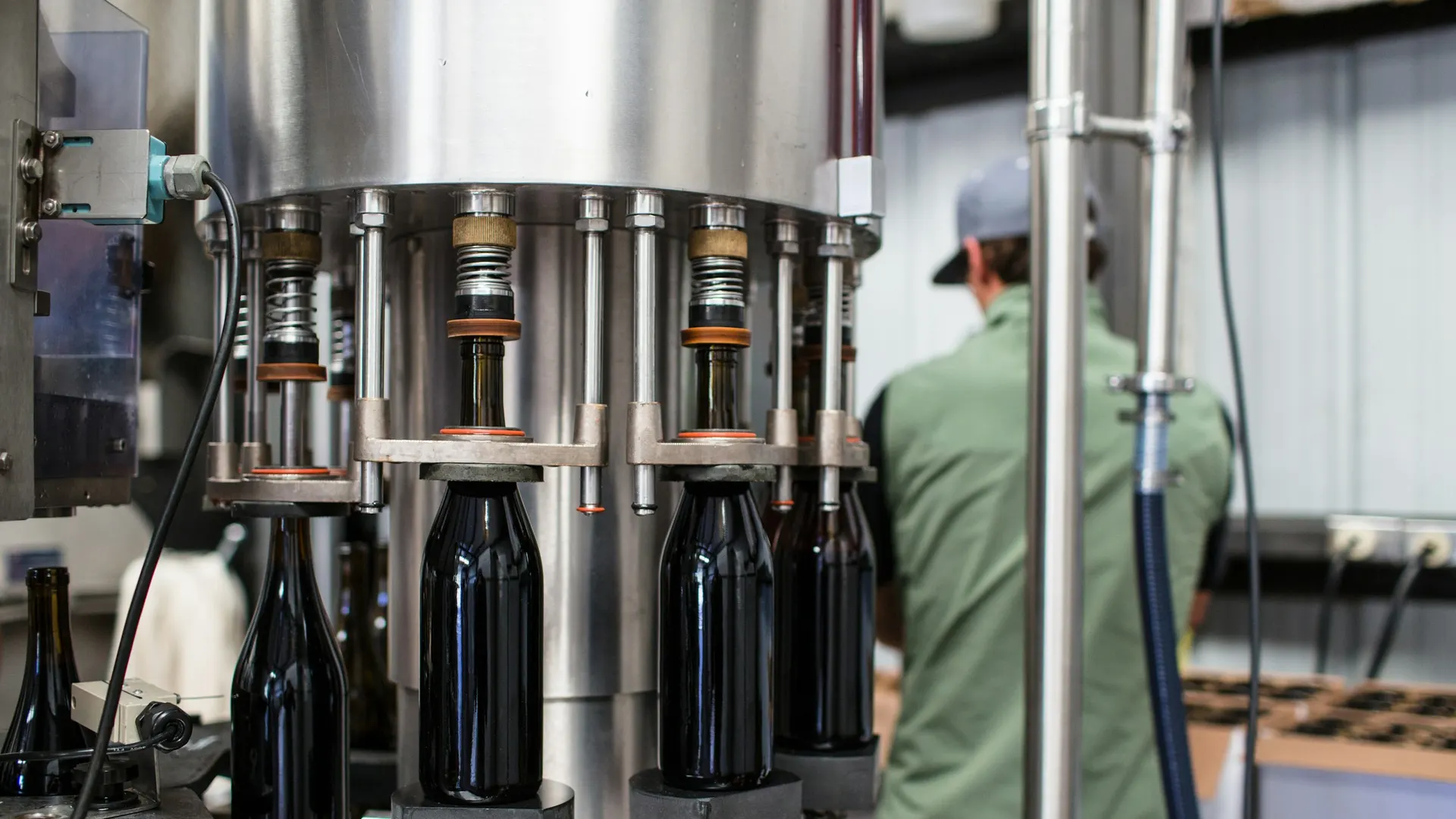
Hot fill, kettle cooking, blast freezing, pouch filling, bottling
Packaging
Bags and flexible film
Minimum order
Mentioned, but no figure is published
Batch size
Up to 100 gallons per batch, about 1,100 twelve-ounce jars. A production run can be several batches.
Plant size
Small plant. Small means below the mid-size figures (51 staff, 40,000 sq ft or 2 plants), judged from the staff, floor space or number of plants the company publishes. The largest figure decides, and exact figures are not shown. This describes the plant, not your order.
Certifications
GMP, HACCP. No GFSI certificate listed.
Takes new brands
Yes, including startups, emerging brands and pilot and small runs
Services
Pilot and small runs, formulation, recipe scale-up, a private label catalog, cold storage, warehousing

If something is not listed, the plant's published information does not mention it. Ask us and we will check with the plant.
Ingredients and packaging

Turnkey means the plant buys the ingredients and packaging for you, and tolling means you buy them and supply them to the plant.

  • Tolling: you buy and supply them.

Equipment listed

  • Cooking kettles
  • Tilt skillets
  • Ovens
  • Depositors and molding
  • Liquid fillers
  • Bagging and pouch machines
  • Freezers

Shown as types of equipment, not makes or models.

Before you request an introduction

Plants ask about each of these before they quote. The links explain how to get each one ready.

In-depth guides

Longer, step-by-step reads for founders preparing a first run. Each one cites its sources.

Is your recipe ready for a co-packer? (opens in a new tab)

The ten things plants ask about before they quote, and how to get each one ready.

7 min read

What you will learn

  • What a production formula holds: weights, ingredient specs and a written process
  • How to choose packaging a plant can run, and who buys it
  • What goes on the label, and when you need a barcode
  • Which certifications to settle, and where finished goods go after the run

Questions to ask a co-packer on the first call (opens in a new tab)

Thirteen questions covering fit, compliance, volume, money and quality.

2 min read

What you will learn

  • Questions that check fit, compliance and food safety certificates
  • How to ask about minimums, pricing, deposits and lead times
  • Who owns your formula, and how samples and testing work
  • Which insurance to ask about, and what to look for on a visit

Listed under

Similar plants